
Long Home Improvement Warranties: What’s Covered in 2025 sets the stage for this enthralling narrative, offering readers a glimpse into a story that is rich in detail with casual formal language style and brimming with originality from the outset.
As we delve into the realm of home improvement warranties in 2025, we uncover a landscape of extended coverage that caters to the evolving needs of homeowners. From technological advancements to emerging trends, the horizon of home warranty coverage is expanding like never before.
Overview of Long Home Improvement Warranties in 2025
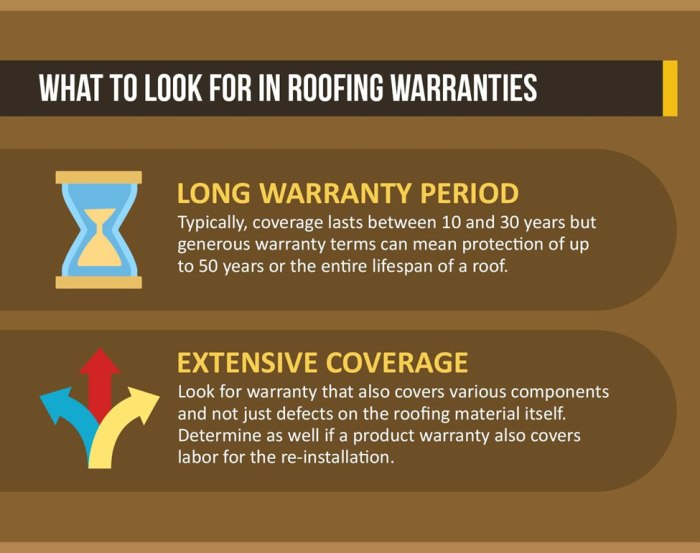
Long home improvement warranties are extended coverage plans that homeowners can purchase to protect their investments in various home improvement projects. These warranties typically cover repairs or replacements for a specified period beyond the standard warranty offered by contractors or manufacturers.Having extended coverage for home improvements is important because it provides homeowners with peace of mind knowing that they are financially protected in case something goes wrong with the work done on their property.
It can save homeowners from unexpected expenses and help maintain the value of their homes over time.By 2025, advancements in home warranty coverage have led to more comprehensive plans that cover a wider range of home improvement projects. These warranties may include coverage for HVAC systems, plumbing, electrical work, roofing, and even major appliances.
Additionally, some warranties now offer options for customization based on the specific needs of homeowners, providing a more tailored approach to coverage.
Changes and Advancements in Home Warranty Coverage
- Increased coverage for major home systems and appliances
- Customizable plans to suit specific homeowner needs
- Enhanced customer service and claims process efficiency
- Integration of smart home technology for monitoring and maintenance
Coverage Details in 2025 Warranties
In 2025, long home improvement warranties continue to offer comprehensive coverage for various aspects of a home. With advancements in technology, these warranties now include new inclusions and enhancements compared to previous years.
Specific Areas Covered
- Structural components such as foundation, walls, and roof
- Plumbing systems including pipes and fixtures
- Electrical systems covering wiring and outlets
- HVAC systems for heating and cooling
- Appliances like refrigerators, ovens, and dishwashers
- Outdoor features such as decks, patios, and fences
New Inclusions and Enhancements
- Smart home technology coverage for devices like smart thermostats and security systems
- Extended coverage for renewable energy systems like solar panels
- Enhanced coverage for water damage and mold remediation
- Addition of virtual home assessment tools for easier claims processing
Technological Advancements Influence
Technological advancements have significantly influenced what is covered in home improvement warranties. With the rise of smart home devices and renewable energy systems, warranties now cater to these modern upgrades. Additionally, the use of virtual tools has streamlined the claims process, making it more efficient for homeowners to access coverage and repairs.
Exclusions and Limitations in 2025 Warranties
When it comes to long home improvement warranties in 2025, there are certain exclusions and limitations that homeowners should be aware of. These restrictions Artikel what is not covered under the warranty, ensuring that homeowners have a clear understanding of their protection.
Common Exclusions and Limitations
Below are some common exclusions and limitations found in 2025 home improvement warranties:
- Normal wear and tear on covered items
- Damage caused by improper installation or maintenance
- Acts of nature, such as earthquakes or floods
- Pre-existing conditions or issues
- Modifications or alterations made without prior approval
Reasons for Exclusions and Limitations
These exclusions and limitations exist in warranties to protect the warranty provider from having to cover issues that may be beyond their control or responsibility. For example, normal wear and tear is considered a natural part of owning a home, and therefore, it is not typically covered under warranties.
Scenarios with Limited Coverage
One scenario where coverage may be limited is if a homeowner fails to properly maintain a covered item, leading to its premature failure. In this case, the warranty may not cover the cost of repair or replacement due to the homeowner's negligence.
Trends in Home Improvement Warranties
In 2025, the home improvement warranty industry is experiencing several emerging trends that are reshaping the landscape of coverage options, customer service, and claim processes. These trends are a response to customer feedback and evolving market demands, leading to a more comprehensive and customer-centric approach to home improvement warranties.
Increased Personalization of Coverage Options
With advancements in technology and data analytics, home improvement warranty providers are now able to offer more personalized coverage options tailored to the specific needs of homeowners. This trend allows customers to choose plans that align with their individual preferences and home improvement projects, ensuring they get the most value out of their warranties.
Enhanced Customer Service Through Digital Platforms
In 2025, home improvement warranty companies are increasingly leveraging digital platforms to enhance customer service. From online claim submissions to virtual assistance, these digital tools are streamlining the process for homeowners and providing quicker resolutions to their issues. This trend is driven by the growing demand for convenience and efficiency in customer service interactions.
Integration of Smart Home Technology
As smart home technology becomes more prevalent in households, home improvement warranty providers are incorporating these devices into their coverage plans. This trend allows homeowners to protect their smart home devices under warranty, ensuring that any malfunctions or breakdowns are promptly addressed.
The integration of smart home technology in warranties reflects the changing landscape of home improvement projects and the increasing reliance on connected devices.
Focus on Sustainable and Eco-Friendly Solutions
In response to the growing concern for environmental sustainability, home improvement warranty companies are offering coverage options that prioritize eco-friendly solutions. From energy-efficient upgrades to sustainable materials, these warranties are aimed at reducing the environmental impact of home improvement projects.
This trend is driven by consumer demand for greener and more sustainable practices in home renovations.
Closing Summary
In conclusion, Long Home Improvement Warranties: What’s Covered in 2025 encapsulates a journey through the intricacies of extended coverage for home improvements. As we look ahead to the future, the evolution of warranty offerings continues to shape the way homeowners protect their investments and find peace of mind in the midst of renovations and upgrades.
Question Bank
What specific areas are typically covered by long home improvement warranties in 2025?
Long home improvement warranties in 2025 usually cover major systems like HVAC, plumbing, electrical, as well as appliances and structural components of the home.
Why may certain items or issues not be covered under these warranties?
Some items or issues may not be covered due to pre-existing conditions, lack of maintenance, or exceeding the warranty's coverage limits.
How have technological advancements influenced what is covered in home improvement warranties?
Technological advancements have led to the inclusion of smart home devices and systems in warranty coverage, offering protection for modern amenities in homes.
What are some emerging trends in the home improvement warranty industry by 2025?
Emerging trends include customizable coverage options, improved customer service experiences, and streamlined claim processes for faster resolutions.
Can you provide examples of scenarios where coverage may be limited or excluded?
Coverage may be limited or excluded in cases of cosmetic damages, natural disasters, or improper installation of home systems or appliances.