
Exploring the realm of Exterior Home Improvement Contractors Near Me: 10 Questions to Ask, this introduction sets the stage for an informative and engaging discussion, blending a casual formal language style to captivate readers from the get-go.
Providing detailed insights into the topic, the introductory paragraph paints a vivid picture of the significance of hiring the right contractors for exterior home improvements.
The Importance of Hiring Exterior Home Improvement Contractors
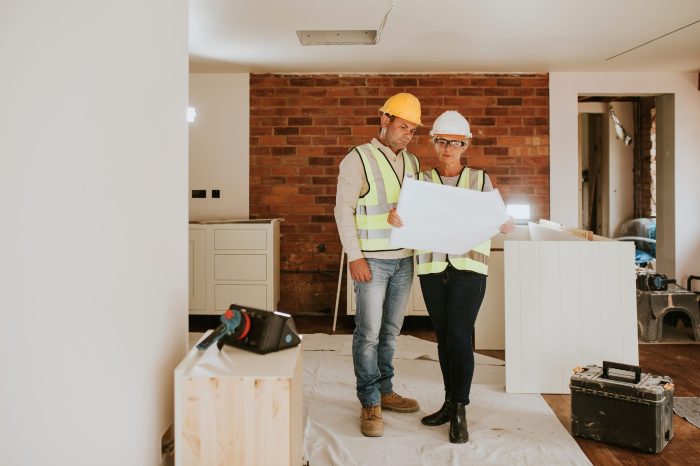
When it comes to improving the exterior of your home, hiring professional contractors is essential for a variety of reasons.
Experience and Expertise
Experienced contractors bring a wealth of knowledge and expertise to the table. They have the skills and training necessary to handle all aspects of exterior home improvement projects, ensuring high-quality results.
Quality Workmanship
Professional contractors are equipped with the right tools and resources to get the job done efficiently and effectively. Their attention to detail and commitment to quality workmanship can significantly enhance the overall look and value of your home.
Risk Mitigation
DIY projects can often lead to costly mistakes and potential safety hazards. By hiring contractors, you can mitigate these risks and ensure that the project is completed safely and according to industry standards.
Researching Local Contractors
When looking for reputable exterior home improvement contractors nearby, it is crucial to conduct thorough research to ensure you hire the right professionals for the job. Here are some key points to consider when researching local contractors:
Identify Sources to Find Reputable Contractors
- Ask for recommendations from friends, family, and neighbors who have recently had exterior home improvements done.
- Check online platforms such as Angie's List, HomeAdvisor, or Yelp for contractor listings and reviews.
- Visit local hardware stores or home improvement centers for referrals to trusted contractors in the area.
- Contact your local Chamber of Commerce or Better Business Bureau for a list of accredited contractors.
Importance of Checking Online Reviews and Testimonials
Before hiring a contractor, it is essential to check online reviews and testimonials to get an idea of their reputation and quality of work. Positive reviews can provide assurance that the contractor is reliable and skilled, while negative reviews may indicate potential red flags.
Compare Different Platforms for Contractor Research
| Website | Social Media | Directories |
|---|---|---|
| Many contractors have websites showcasing their services, portfolios, and customer testimonials. | Social media platforms like Facebook, Instagram, and LinkedIn can also be used to research contractors and view their work. | Online directories such as Yellow Pages or Houzz provide listings of local contractors with reviews and ratings. |
Verifying Contractor Credentials
When hiring exterior home improvement contractors, it is crucial to verify their credentials to ensure that they are qualified and reliable. This includes checking their licenses and insurance coverage to protect yourself and your property.
Importance of Verifying Credentials
Verifying contractor licenses and insurance is important as it provides you with peace of mind knowing that the contractor is operating legally and has the necessary qualifications to perform the job. It also protects you from liability in case of accidents or damages during the project.
Checklist of Credentials
- Valid Contractor License: Ensure the contractor has a valid license to operate in your area.
- Insurance Coverage: Verify that the contractor has liability insurance and workers' compensation coverage.
- Bonding: Some projects may require contractors to be bonded to provide financial protection in case of incomplete work or damages.
Tips to Confirm Credibility and Reputation
- Ask for References: Request references from past clients to get feedback on the contractor's work quality.
- Check Online Reviews: Look for reviews and ratings on trusted platforms to gauge the contractor's reputation.
- Verify Experience: Inquire about the contractor's experience in handling similar projects to ensure competence.
- Ask for Certifications: See if the contractor has any certifications or memberships with professional associations in the industry.
Asking about Experience and Expertise
When hiring exterior home improvement contractors, it is crucial to inquire about their experience and expertise in the field. This information can help you assess whether they have the necessary skills to handle your project effectively.
The Importance of Experience
Contractors with extensive experience in exterior home improvements are more likely to deliver high-quality results. They have encountered various challenges and learned how to overcome them, ensuring a smoother and more efficient project process.
Specialized Expertise to Look For
- Roofing: Look for contractors with specialized experience in roofing materials, installation techniques, and repairs.
- Siding: Seek contractors who have expertise in different types of siding materials and styles, ensuring they can meet your specific preferences.
- Decking: Find contractors with a proven track record in designing and building decks that suit your outdoor space requirements.
Importance of Portfolios or Past Projects
Asking for portfolios or examples of past projects can give you a glimpse of the contractor's work quality and style. It allows you to see if their expertise aligns with your vision for your home exterior.
Requesting Project Timeline and Schedule
Setting clear timelines for exterior home improvement projects is crucial to ensure that the project stays on track and is completed in a timely manner. It helps both the homeowner and the contractor to have a clear understanding of the project scope, deadlines, and milestones.
Factors Affecting Project Timelines and Addressing Delays
- Weather conditions: Extreme weather such as rain or snow can delay outdoor projects. It's important to account for potential weather-related delays when setting the timeline.
- Material availability: Delays in the delivery of materials can impact the project timeline. Ensure that all materials are available before the project begins.
- Unforeseen issues: Unexpected problems or challenges during the project can cause delays. It's essential to have a contingency plan in place to address these issues promptly.
Tips for Ensuring a Realistic Schedule
- Set realistic deadlines: Work with your contractor to establish achievable timelines based on the scope of work and potential challenges.
- Regular communication: Stay in touch with your contractor throughout the project to address any issues or concerns that may arise and adjust the schedule if needed.
- Flexibility: Be open to adjustments in the schedule to accommodate unexpected delays while ensuring that the overall project timeline is maintained.
Inquiring about Materials and Quality
When hiring exterior home improvement contractors, it is crucial to inquire about the materials and quality used in the project. The materials used can greatly impact the durability, aesthetics, and overall quality of the finished project. By discussing materials and quality standards upfront, you can ensure that your project meets your expectations.
High-Quality Materials for Exterior Home Improvements
- 1. Fiber Cement Siding: Known for its durability and resistance to elements such as fire, water, and insects.
- 2. Composite Decking: Offers low maintenance and long-lasting performance compared to traditional wood decking.
- 3. Energy-Efficient Windows: Help improve insulation and reduce energy costs.
- 4. Metal Roofing: Provides longevity and durability, withstanding harsh weather conditions.
Ensuring Contractors Adhere to Quality Standards
- 1. Request Samples: Ask the contractor to provide samples of the materials they plan to use to assess quality.
- 2. Check Reviews and References: Research the contractor's reputation and previous projects to gauge the quality of their work.
- 3. Discuss Warranty: Inquire about warranties on materials and workmanship to ensure quality and longevity of the project.
- 4. Specify Quality Standards: Clearly Artikel your expectations regarding materials and quality in the contract to hold the contractor accountable.
Understanding Payment Terms and Contracts
When embarking on a home improvement project, it is crucial to have a clear understanding of the payment terms and contracts involved. This ensures that both parties are on the same page regarding financial obligations and expectations throughout the project.
Common Payment Structures and Implications
- Deposit: It is common for contractors to require a deposit upfront before starting work. This helps cover initial expenses and shows the homeowner's commitment to the project.
- Progress Payments: Payments are made at various stages of the project, such as reaching milestones or completing specific tasks. This ensures that the contractor is compensated as they make progress.
- Final Payment: The remaining balance is typically due upon completion and approval of the project. It is essential to withhold this payment until all work is satisfactorily completed.
It is important to carefully review the payment structure Artikeld in the contract to avoid any misunderstandings or disputes later on.
Tips on Reviewing Contracts and Payment Expectations
- Read the Fine Print: Take the time to thoroughly read and understand all terms and conditions in the contract, including payment details, timelines, and potential additional costs.
- Clarify Payment Schedule: Ensure that the payment schedule is clearly laid out, specifying when payments are due and what they are for. This helps prevent confusion and ensures transparency.
- Negotiate if Necessary: Don't hesitate to negotiate payment terms if certain aspects are unclear or need adjustment. Open communication with the contractor is key to reaching a mutually beneficial agreement.
Communication during the Project
Clear communication with the contractor throughout the project is crucial to ensure that the work is progressing smoothly and according to your expectations. Effective communication helps in addressing any issues promptly, making necessary adjustments, and keeping you informed about the project's status.
Significance of Clear Communication
Maintaining open lines of communication with your contractor can prevent misunderstandings, delays, and costly mistakes. It allows you to provide feedback, ask questions, and address any concerns that may arise during the home improvement project.
- Regular Updates: Request regular updates from the contractor on the progress of the project, milestones achieved, and any potential delays.
- Feedback Sessions: Schedule feedback sessions to discuss any changes or modifications needed and ensure that your preferences are being met.
- Availability: Make sure both you and the contractor are available for discussions, site visits, and decision-making throughout the project.
Effective Communication Methods
Using a combination of communication methods can help streamline the flow of information between you and the contractor. Here are some examples of effective communication methods:
- Face-to-Face Meetings: Schedule regular face-to-face meetings to discuss project updates, concerns, and any changes required.
- Phone Calls: Use phone calls for quick updates, urgent matters, or to clarify any details regarding the project.
- Email: Communicate important information, documents, and decisions via email to have a written record of the conversations.
Addressing Communication Challenges
During a home improvement project, communication challenges may arise due to various factors. Here are some tips on addressing these challenges:
- Set Clear Expectations: Clearly communicate your expectations, project timeline, and specific requirements to avoid misunderstandings.
- Feedback Mechanism: Establish a feedback mechanism where you can openly discuss any issues or concerns that may come up during the project.
- Regular Check-ins: Schedule regular check-ins with the contractor to ensure that communication remains open and any issues are addressed promptly.
Addressing Warranty and Guarantee Policies
When hiring exterior home improvement contractors, it is crucial to discuss warranty and guarantee policies with the contractor to ensure that you are protected in case of any issues or defects with the work done. Understanding what is covered under the warranty and guarantee can provide you with peace of mind and assurance that the contractor stands behind their work.
Examples of Warranty Coverage
- Warranty on materials: Many contractors offer warranties on the materials used in the project, ensuring that they are free from defects.
- Workmanship warranty: This type of warranty covers the quality of the work done by the contractor, guaranteeing that it was completed correctly.
- Structural warranty: Some contractors provide warranties on the structural integrity of the project, giving you protection against any structural issues that may arise.
Tips for Ensuring Clarity on Warranty Terms
- Read the warranty documents carefully and ask the contractor to explain any terms or conditions that are unclear to you.
- Make sure to get a written copy of the warranty and guarantee policies to refer back to in case of any disputes.
- Ask about the duration of the warranty and what steps you need to take to make a claim if necessary.
Final Inspections and Completion
Before officially wrapping up your exterior home improvement project, it is crucial to conduct final inspections to ensure that everything meets your expectations and standards. This last walkthrough is your opportunity to address any remaining issues or concerns before considering the project complete.
Importance of Final Inspections
- Check for any incomplete or subpar work that needs to be addressed before finalizing the project.
- Ensure that all materials used meet the agreed-upon quality standards.
- Verify that the project timeline and schedule were followed correctly.
Checklist for Final Walkthrough
- Inspect the exterior of your home for any visible damage, such as cracks, dents, or paint imperfections.
- Check all installed features, such as windows, doors, siding, and roofing, for proper installation and functionality.
- Examine the cleanliness of the work area and ensure that all debris and materials are properly disposed of.
- Test any new systems or appliances, like lighting or irrigation, to confirm they are working correctly.
Addressing Issues or Concerns
- Communicate openly with your contractor about any discrepancies or unsatisfactory work during the final inspection.
- Document any concerns with photos or written notes to ensure clarity in addressing the issues.
- Negotiate solutions with the contractor to resolve any outstanding problems before finalizing the project.
Closure
Bringing our exploration to a close, the outro encapsulates the key points discussed, leaving readers with a lasting impression of the importance of asking the right questions when hiring exterior home improvement contractors.
Essential Questionnaire
What credentials should I look for when vetting exterior home improvement contractors?
When vetting contractors, ensure they have proper licenses, insurance, and a good track record of successful projects.
How can I ensure quality materials are used in my exterior home improvement project?
Request details on the materials to be used, research their quality, and discuss with the contractor the importance of using top-notch materials.
What are common payment structures in the exterior home improvement industry?
Common payment structures include upfront deposits, milestone payments, and final payments upon project completion.
How can I effectively communicate with my contractor during the project?
Maintain open lines of communication through regular updates, feedback sessions, and addressing any concerns promptly.
What should I look for during the final inspection of my exterior home improvement project?
During the final inspection, check for completed work, quality of finishes, adherence to timelines, and address any outstanding issues.