

Embarking on the journey of Hanson Home Improvement Costs: What to Expect in 2025, this initial paragraph aims to captivate and engage the audience, drawing them in with a blend of casual formal language style that unfolds with each word.
The following paragraph will provide informative and descriptive insights about the topic at hand.
Hanson Home Improvement Costs Overview
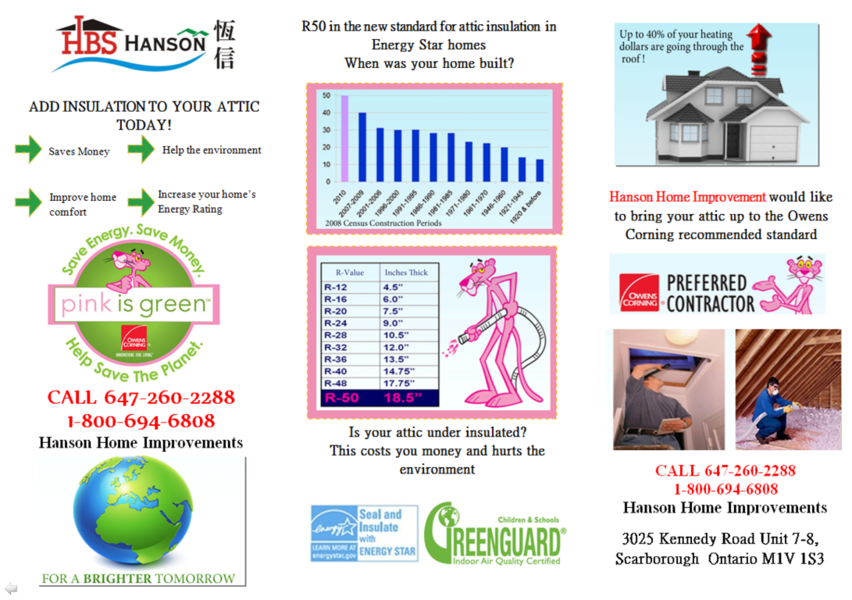
When it comes to home improvement costs, there are several factors that can influence the overall expenses. Factors such as the size of the project, materials used, labor costs, and the complexity of the work all play a role in determining the final cost.
Some typical home improvement projects and their associated costs include:
Kitchen Remodel
- Replacing cabinets and countertops - $5,000 - $15,000
- Installing new appliances - $2,000 - $8,000
- Upgrading flooring - $1,500 - $5,000
Bathroom Renovation
- Installing a new bathtub or shower - $1,000 - $5,000
- Updating fixtures and fittings - $500 - $2,000
- Adding new tile or flooring - $1,000 - $3,000
Over the years, the cost of home improvement projects has evolved due to various factors such as inflation, changes in material costs, and advancements in technology. While some projects may have become more expensive, others have become more affordable, thanks to improved techniques and materials.
Cost Trends in 2025
In 2025, home improvement costs are projected to continue on an upward trend, driven by various factors influencing the market.
Material vs. Labor Costs
When comparing materials and labor costs in 2025, it is expected that materials will see a more significant increase compared to labor. This can be attributed to fluctuations in raw material prices, supply chain disruptions, and changes in demand.
- Materials: With the increasing costs of materials such as lumber, steel, and other construction supplies, homeowners can expect higher prices for projects involving these resources. Factors like global economic conditions, trade policies, and environmental regulations can impact material costs.
- Labor: While labor costs are also expected to rise in 2025, the increase may not be as steep as materials. Skilled labor shortages, wage trends, and advancements in construction techniques may influence labor costs for home improvement projects.
Impact of Emerging Technologies
Emerging technologies are playing a significant role in shaping home improvement costs in 2025, introducing new methods, materials, and efficiencies to the industry.
Technologies such as 3D printing, artificial intelligence, and augmented reality are revolutionizing the way homeowners plan, design, and execute home improvement projects. These innovations can streamline processes, reduce waste, and enhance precision, ultimately impacting project costs.
- 3D Printing: The use of 3D printing in construction can lead to cost savings by creating custom parts, components, and even entire structures with reduced material waste and labor requirements.
- Artificial Intelligence: AI-powered tools can optimize project planning, scheduling, and resource allocation, potentially lowering overall costs by improving efficiency and productivity.
- Augmented Reality: AR technology allows homeowners to visualize and customize their projects before implementation, reducing errors, rework, and associated costs during the construction process.
Popular Home Improvement Projects in 2025
Homeowners in 2025 are investing in various home improvement projects to enhance the aesthetic appeal, functionality, and value of their properties. These projects not only improve the quality of living but also offer a good return on investment in the long run.
Kitchen Renovation
A kitchen renovation is a popular home improvement project in 2025, with homeowners focusing on updating appliances, cabinets, countertops, and flooring. The expected cost for a mid-range kitchen renovation can range from $25,000 to $40,000, depending on the scope of work and materials used.
Bathroom Remodel
Bathroom remodels are also in demand in 2025, with homeowners looking to upgrade fixtures, tiles, vanities, and lighting. The average cost for a bathroom remodel can vary between $10,000 to $20,000, depending on the size of the bathroom and the quality of materials chosen.
Outdoor Deck Addition
Adding an outdoor deck is a popular project for homeowners in 2025, as it provides additional living space for relaxation and entertainment. The cost of building a deck can range from $5,000 to $15,000, depending on the size, materials, and design complexity.
Energy-Efficient Upgrades
Investing in energy-efficient upgrades such as solar panels, smart thermostats, and energy-efficient windows is a trend in 2025. While the initial cost of these upgrades can be higher, homeowners can benefit from energy savings and potential tax incentives in the long term.
Sustainable Home Improvement Costs
When it comes to sustainable and eco-friendly home improvement practices, there are both initial costs and long-term savings to consider. Sustainable materials may have a higher upfront cost, but they can lead to significant savings over time through energy efficiency and durability.
Examples of Sustainable Materials and Costs
Investing in sustainable materials can have a positive impact on your home's environmental footprint and your wallet in the long run. Here are some examples of sustainable materials and their associated costs:
- Bamboo flooring: Known for its sustainability and durability, bamboo flooring can cost around $3 - $10 per square foot, depending on the quality and installation method.
- Solar panels: While the initial cost of solar panels can be high (ranging from $10,000 to $30,000 for a typical residential installation), they can lead to significant savings on energy bills over time.
- Low-flow fixtures: Upgrading to low-flow fixtures in your bathroom and kitchen can cost between $20 - $200 per fixture, but can result in water savings and reduced utility bills.
Long-Term Cost Savings of Sustainable Home Improvements
Although sustainable home improvements may require a higher upfront investment, they can lead to substantial long-term cost savings. By reducing energy consumption, water usage, and maintenance needs, sustainable upgrades can result in lower utility bills and increased property value over time.
Additionally, many sustainable materials are more durable and require less frequent replacement, further contributing to cost savings in the long run.
Conclusion

Concluding with a summary and closing thoughts in an engaging manner, this final paragraph wraps up the discussion seamlessly.
Helpful Answers
What factors contribute to home improvement costs?
Factors such as materials used, labor costs, project scope, and location can all influence home improvement costs.
What are some popular home improvement projects in 2025?
Common projects include kitchen renovations, bathroom remodels, and energy-efficient upgrades like solar panel installations.
How have the costs of home improvement projects evolved over the years?
Costs have seen fluctuations due to trends, economic factors, and advancements in materials and technology.
What is the ROI for different types of home improvement projects?
The ROI varies depending on the project but typically ranges from 50% to 80% for most home improvements.
How do sustainable home improvement practices impact costs?
While initial costs may be higher, the long-term savings from energy efficiency and eco-friendly materials can offset these expenses.